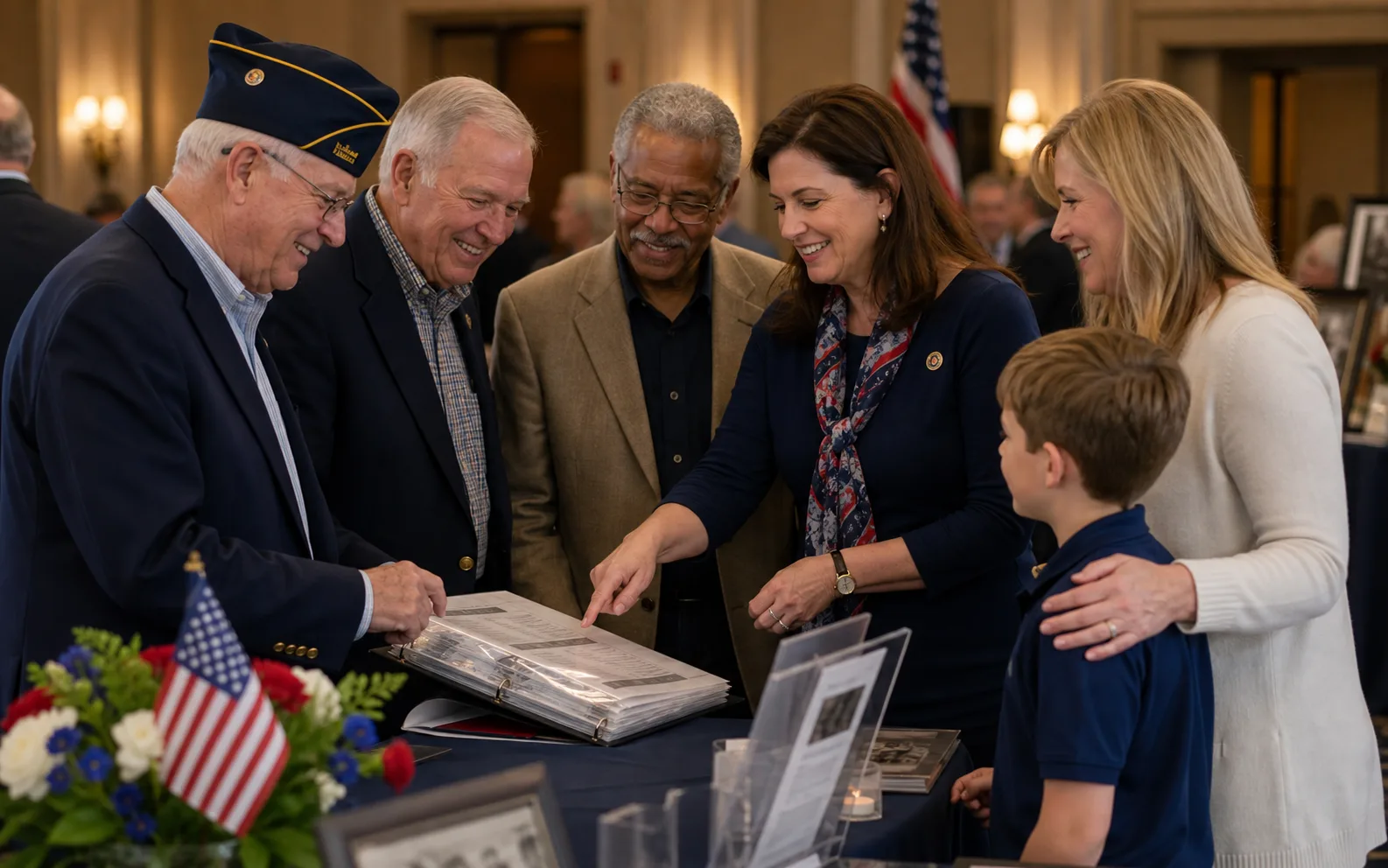
An old roster can be the beginning of a reunion network, but only if the information is organized, verified, and handled with care. A living contact list records more than addresses. It shows what has been confirmed, who has reached out, and how each person prefers to hear from the group.
Start with one master copy
Choose one trusted committee member to maintain the master list. Import names from rosters, cruise books, past reunion programs, and personal address books, then record the source of each entry. Keeping the source makes it easier to resolve conflicting details later.
Separate facts from leads
Mark whether an email address or phone number is confirmed, outdated, or only a possible match. Do not overwrite an old detail until the new one is verified. The history can help another volunteer continue the search.
Track the next action
Use simple outreach labels such as not contacted, message sent, confirmed, declined, or needs follow-up. Add the date and the volunteer's initials after each attempt. This prevents several committee members from sending the same message at once.
Ask permission
When someone responds, ask which details the reunion committee may store and whether those details may be shared with other members. Never publish a private address, email, or phone number in a public post or group without clear permission.
Give members useful choices
Some people want every reunion update, while others only want major announcements. Record communication preferences and honor requests to stop receiving messages. Respectful communication makes people more comfortable staying connected.
Protect the file
Limit access to committee members who genuinely need it. Use a password-protected account, avoid sending full lists as email attachments, and remove unnecessary personal information. Keep a backup in a second secure location.
Review it after every reunion
Set aside time after the event to record returned mail, changed phone numbers, new family contacts, and members who want to volunteer. A short annual check keeps the list from becoming another outdated roster.
The value of the list is trust. When members know their information is accurate and respected, the network becomes easier to maintain and the next reunion becomes easier to build.